Designing Rooms People Will Love for Years

Explore emotional durability in interiors—designing spaces people will cherish and maintain because they feel deeply connected to them. We will uncover principles, stories, and practical moves that nurture affection, reduce waste, and inspire long-term care. Share your own rituals, repairs, and beloved corners, and join a community learning to design for lasting attachment.

Foundations of Lasting Attachment

Before choosing colors or chairs, understand why people keep what they love: personal meaning, sensory comfort, reliable function, and stories that deepen through use. Prioritize these foundations to transform quick purchases into companions, guiding every decision toward connection, delight, and resilient, everyday care.

Material Honesty and Aging Gracefully

Choose materials that welcome patina and tell their age with dignity. Solid woods, wool, brass, and clay gain character, while deceptive finishes often disappoint. Plan for maintenance, refinish cycles, and replaceable components so surfaces invite touch, not anxiety, and years add beauty rather than fear.

Layouts That Support Real Life

Frictionless Daily Journeys

Start at the threshold: generous hooks, breathable shoe storage, and a surface for keys prevent first-minute stress. In kitchens, triangle distances and clear counter landings turn cooking into flow. Respect wheelchair turn radii and stroller routes so every body feels anticipated, not merely accommodated.

Flexible Zones that Grow with You

Plan furniture on sliders, breathable partitions, and plug plans that accept future workstations, cots, or hobbies. A reading corner can host a crib today and a keyboard tomorrow. Flexibility protects attachment by letting life change without discarding the backdrop that already holds memories.

Comfort Signatures: Light, Sound, Scent

Tune comforts people actually notice. Layer warm-dim lamps, control reverberation with textiles, and invite gentle scents from wood, herbs, or open windows. When mornings greet eyes and evenings quiet nerves, residents attribute wellbeing to the place itself, nurturing affection that naturally expresses as consistent care.

Color, Texture, and Memory

Colors and textures can recall people, landscapes, or eras, creating threads of meaning that survive stylistic swings. Build palettes from personal provenance—photographs, heirlooms, hometown light—then translate into paints and textiles. Tactility invites touch, which increases oxytocin and attachment, turning maintenance into pleasurable, mindful contact.

Color Palettes with Personal Provenance

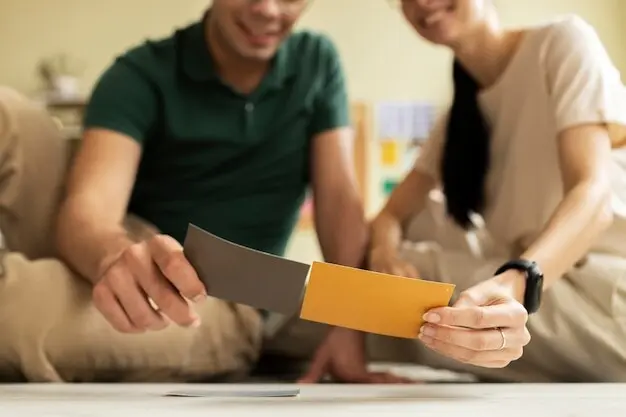
Instead of copying a catalog, start with a snapshot of a joyful day, a seashell, or an inherited quilt. Sample hues, match undertones, and balance saturation. When shades echo memory, walls become narrative, and smudges read as life marks, not defects demanding erasure.

Textures that Invite Touch

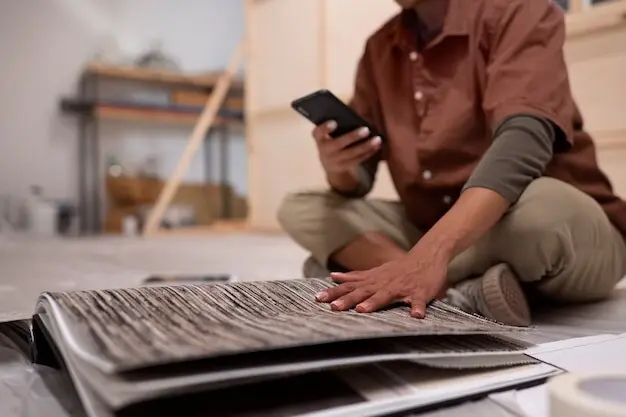
Mix bouclé, linen, oiled wood, and unglazed clay to create sensory variety. Micro-textures conceal small scuffs and reward fingers. People clean what they touch fondly; a favorite armrest receives balm, not neglect. Tactility turns upkeep from chore into care, sustaining affection over decades.

Objects as Memory Anchors

Curate a few meaningful pieces—grandmother’s bowl, a travel sketch, a child’s sculpture—and give them respectful sightlines and lighting. Rotate displays seasonally to refresh attention. When objects become anchors, vacuuming and dusting feel like greeting old friends rather than appeasing faceless mess.

Maintenance as a Love Language

Design care into the architecture so looking after the place feels rewarding, not punishing. Visible grain direction guides wiping. Removable covers, washable paints, and accessible filters reduce dread. Invite household rituals and shared playlists for cleaning days, making stewardship sociable, lighthearted, and proudly consistent.

Sustainability and Lifespan Economics

Affection extends lifespans, cutting carbon and saving money. Calculate total cost of ownership, including cleaning, energy, and likely repairs. Favor modular systems and timeless forms that outlive trends. When budgets align with care, households keep, adapt, and pass things on instead of discarding prematurely.

The Total Cost of Care

A cheap sofa that sags in two years is expensive when disposal, replacement, and frustration are counted. Compare warranties, fabric rub counts, and parts availability. Pay slightly more for serviceable builds; savings emerge across quiet, loyal years of use, not opening day alone.

Modularity and Upgrade Paths

Choose systems with swappable covers, add-on shelves, and service hatches. Electrical plans with spare conduits welcome future tech without demolition. Modularity allows renewal without waste, maintaining attachment because the familiar frame evolves with life, keeping stories intact while capabilities grow kindly alongside you.

Mukerizamorehuruvutenoromu
Privacy Overview

This website uses cookies so that we can provide you with the best user experience possible. Cookie information is stored in your browser and performs functions such as recognising you when you return to our website and helping our team to understand which sections of the website you find most interesting and useful.